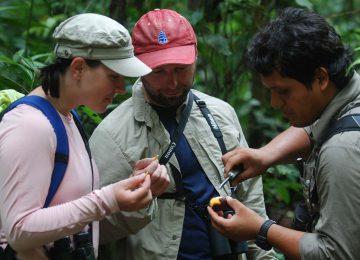
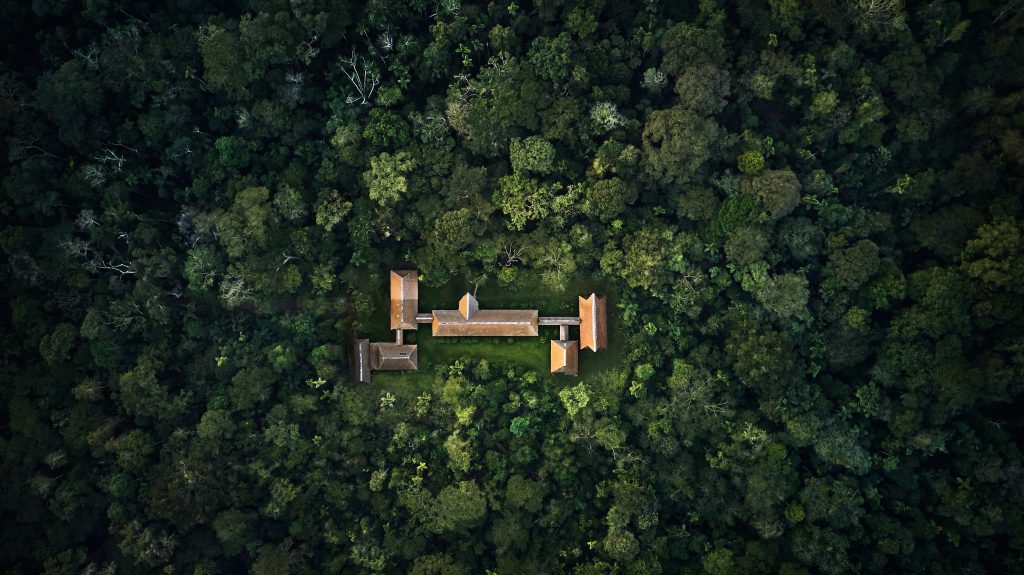
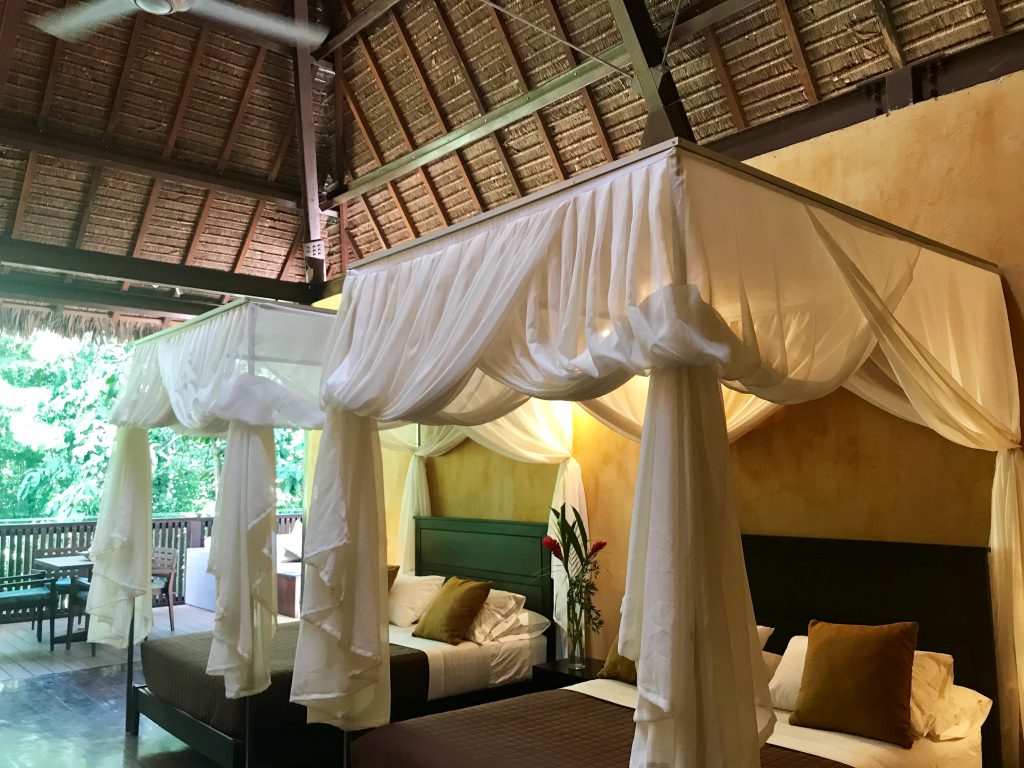
The stay here is centred around the great outdoors with animal watching and activities in the rainforest. Depending on guests' fitness levels and interests, expeditions on foot and hikes through the rainforest are offered to introduce the ecological context of this fascinating habitat. You have the opportunity to choose exclusive excursions and à la carte trips from a menu with your multilingual guide (English/Spanish speaking). Together with your guide, you can put together your daily jungle programme and experience the rainforest and its fascinating vegetation and wildlife according to your wishes and individual interests. Refugio Amazonas offers over twenty different excursions to explore the fauna and flora.
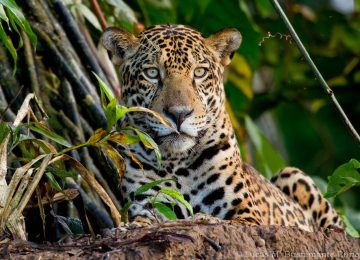
Please bear in mind that the jungle is not a zoo. Sometimes you can only hear the animals without perhaps being able to see them. It takes a trained eye and patience!
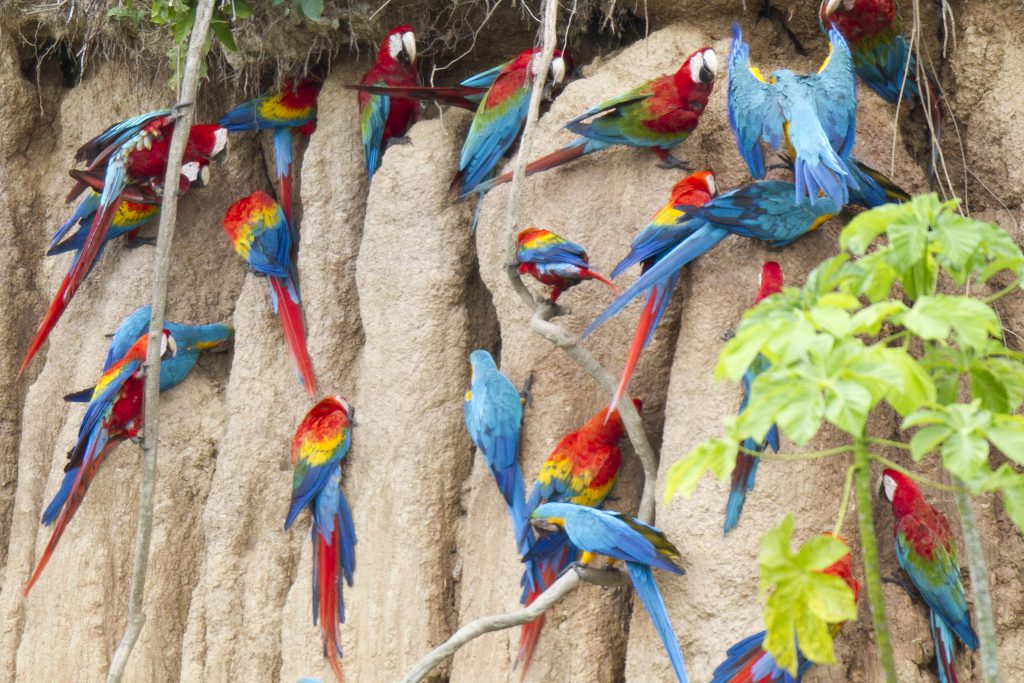
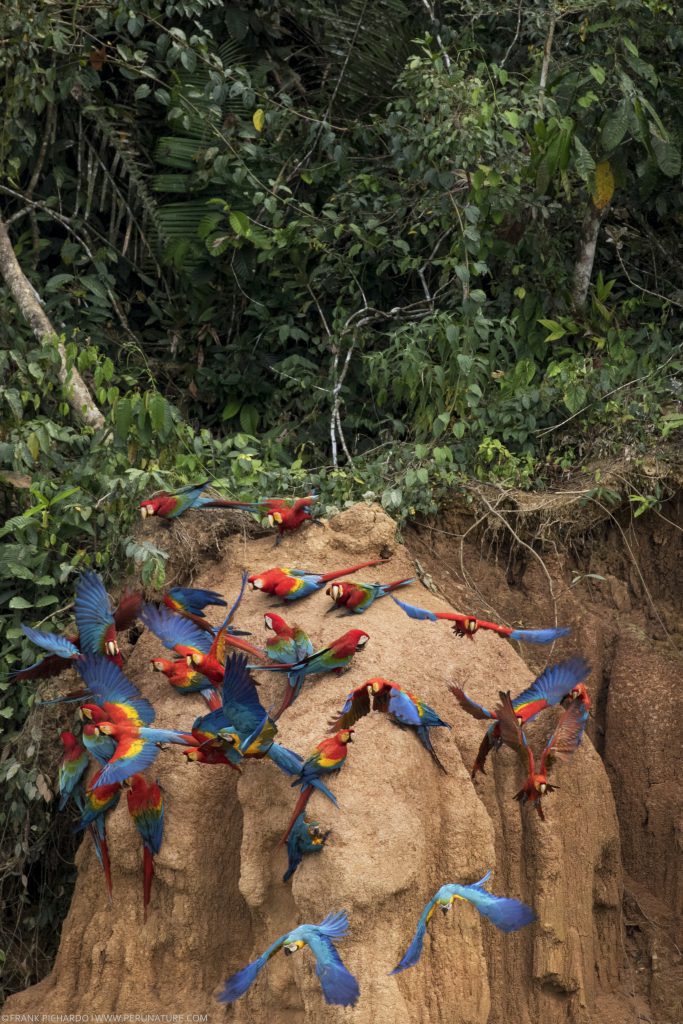
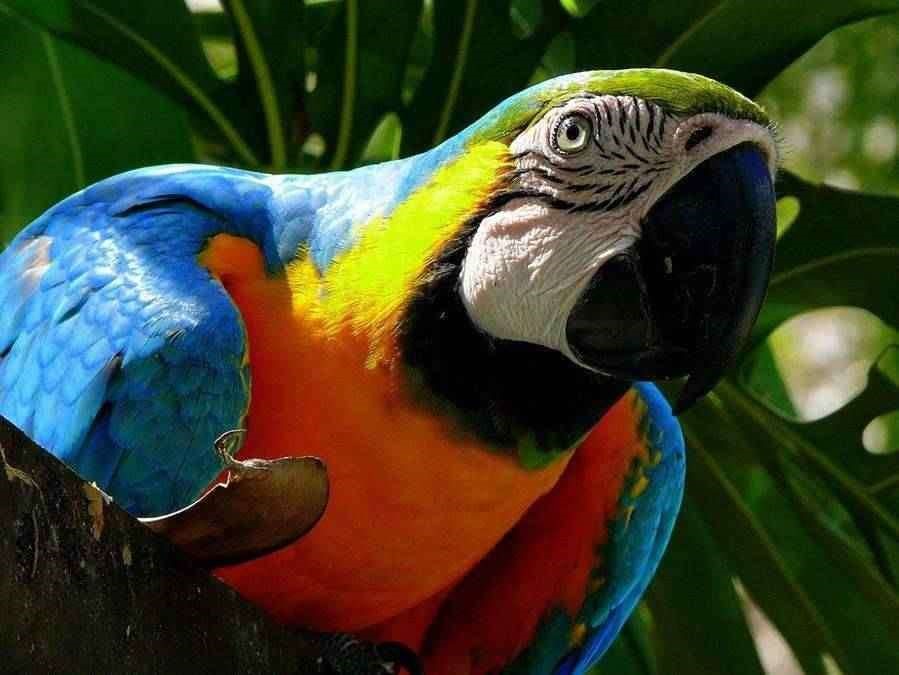
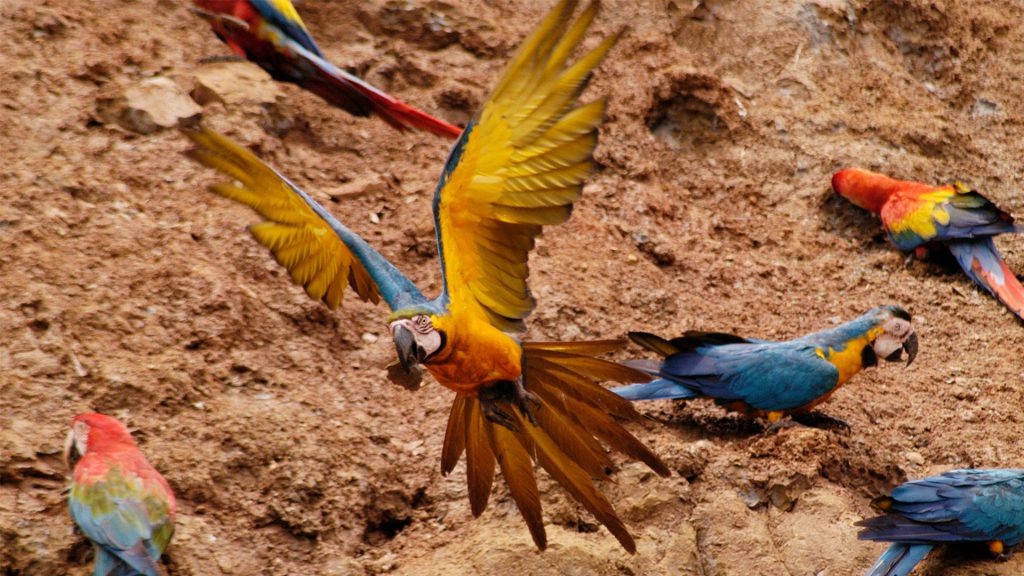
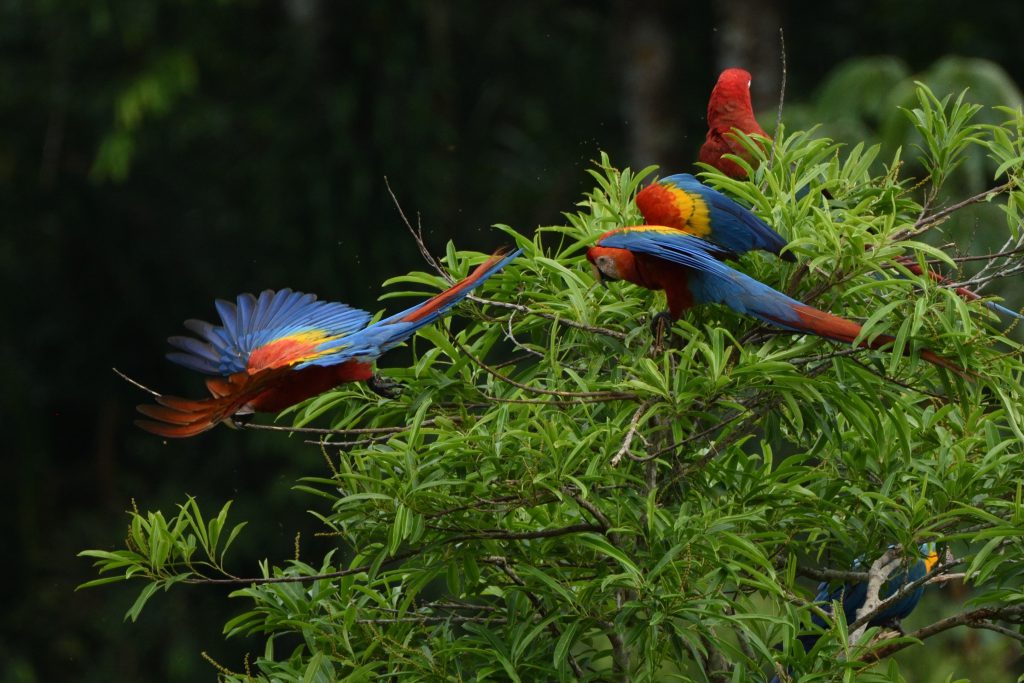
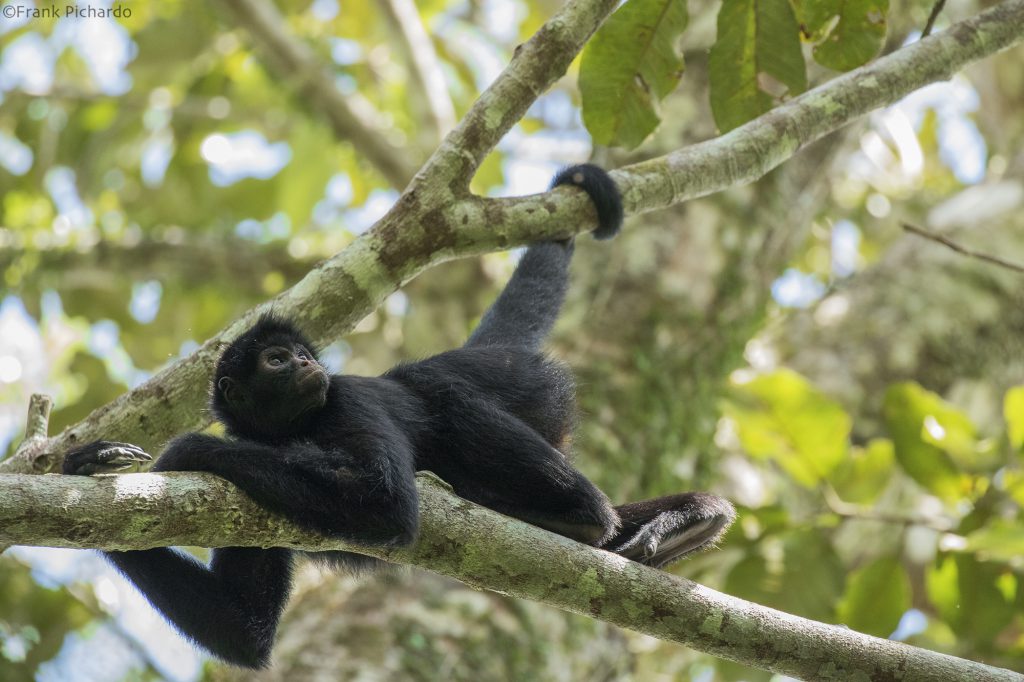
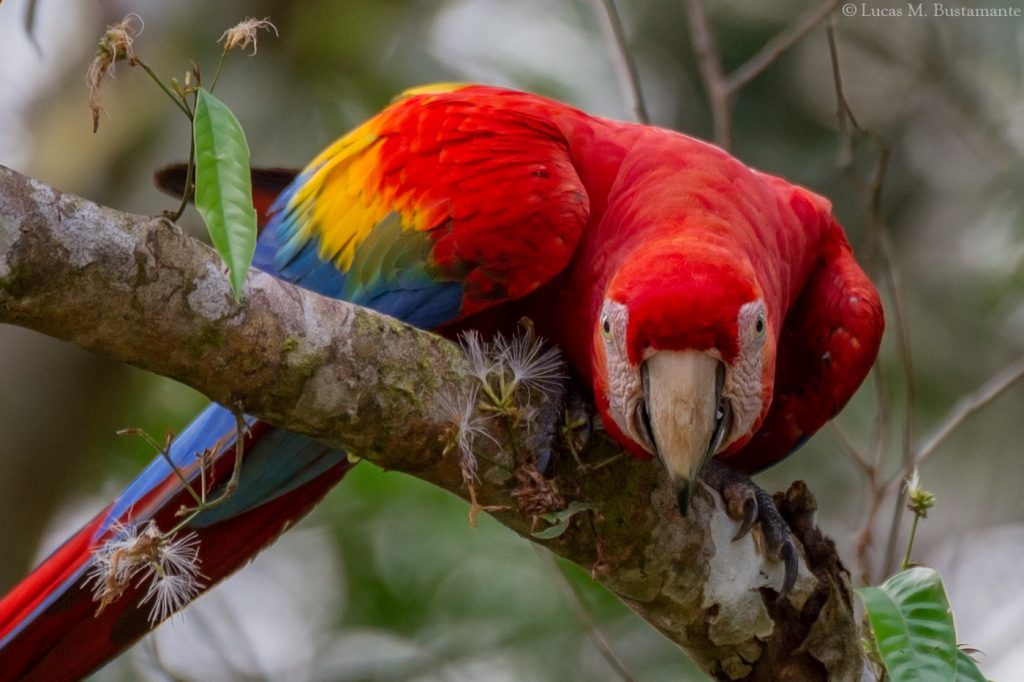
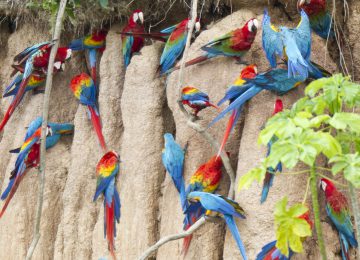
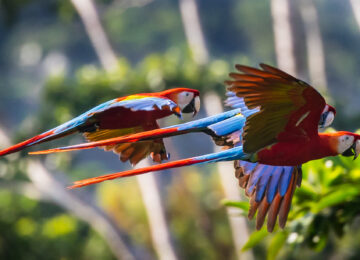
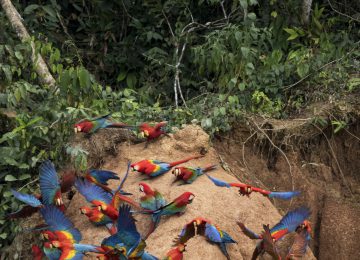
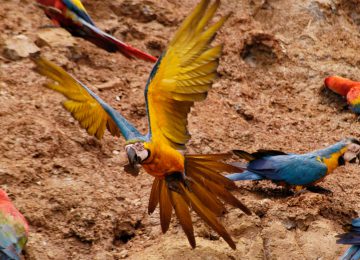
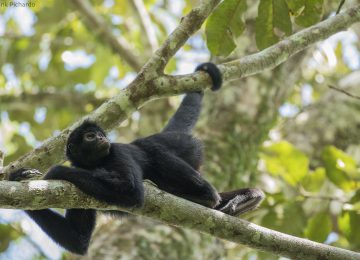
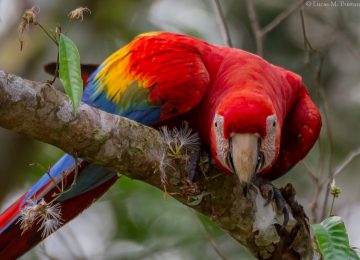
Nevertheless, there is a high probability of being able to observe monkeys, parrots and above all the magnificent large colourful macaws at the clay lick or from the canopy tower, as well as caimans and capybaras (capybaras) on the river banks. On the slopes of the river you can see the different altitudinal levels of the forest, completely different plant communities in a lowland rainforest that is flooded in the rainy season. In the morning, you will visit a salt lick on a mud wall where several species of parrots, including the large macaws, as well as black-eared, miller's and many other parrots, come to satisfy their mineral requirements. Various parrots can be observed at the large clay licks in the region, including various large macaws and amazons, but also some smaller species. Good shots of the colourful birds are possible from the hide with good camera equipment.
You can also explore a botanical trail. Here, your guide will tell you more about the many uses of plants in medicine, as food, for fibres and as building materials. After dark, you can search for and observe insects and amphibians in the rainforest on guided night walks and marvel at the "beauties of the night".
I ... Love Birds!
Head traveller Dirk Gowin visits the parrots on the Tambopata River
"When I first heard from a National Geographic cover story that there is a place in the world where the world's greatest diversity of parrots and, above all, macaws have their home far from civilisation, I had the desire to travel there once in my life. Many years later, it was now possible, because thanks to Rainforest Expeditions, even well-heeled nature lovers have the opportunity to go where for a long time only researchers and biologists had access.
It's a long way, but it's worth it! After a flight of around two hours from Lima, you land at a mini airport in Peru's Amazon basin - but at least it's an Airbus. From here, the journey continues, taking almost a day and a half with an overnight stop.
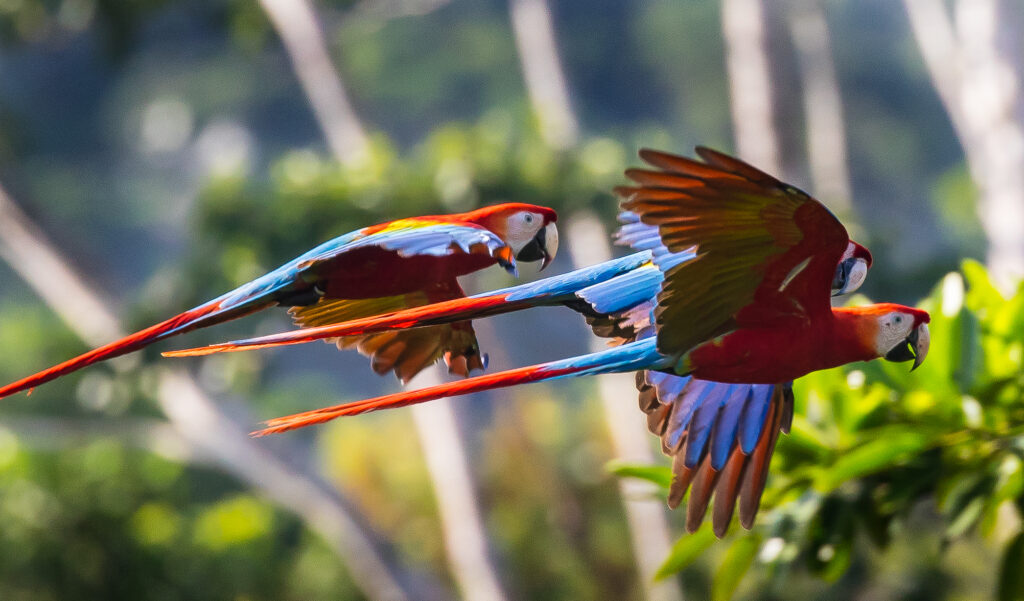
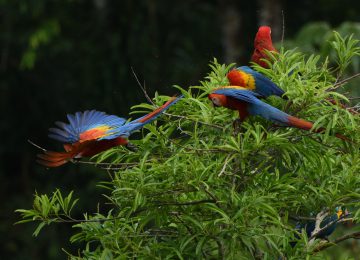
The destination at the end of the path is simply fantastic! We are surrounded by macaws and flocks of brightly coloured birds fly around like sparrows here - in red-blue, yellow-blue or green-blue-yellow and screeching like babies when they fly to their favourite spots in the early morning just in time for sunrise: the salt licks by the river. The early macaw catches its salt!
For me, that always means getting up very early. In the darkness of the ending night, we start the hike to the observation points in the jungle in single file and in rubber boots in a hot and humid climate of almost 30 degrees. In front of us is the river or a depression in the ground, behind it the cliffs of reddish-yellow sand, the salt licks - here they are the largest in the world! And they also attract other animals, such as tapirs.
Then it's time to wait and stand or sit in wait, at least not lying down, until the first brave ones dare to come out of the treetops and fly off as the vanguard, test eaters so to speak. Then they come by the hundreds and enjoy the minerals and salts of the lick in the still fresh morning air and the rising sun. The later the day, the less chance there is of seeing them, because the hotter it gets and they don't like the heat. Later, they prefer to spend the day in the shade of the palms and mighty Brazil nut trees. Macaws are timid because they have enemies lurking in wait for them. And they are love birds: the pairs stay together for life - how beautiful!
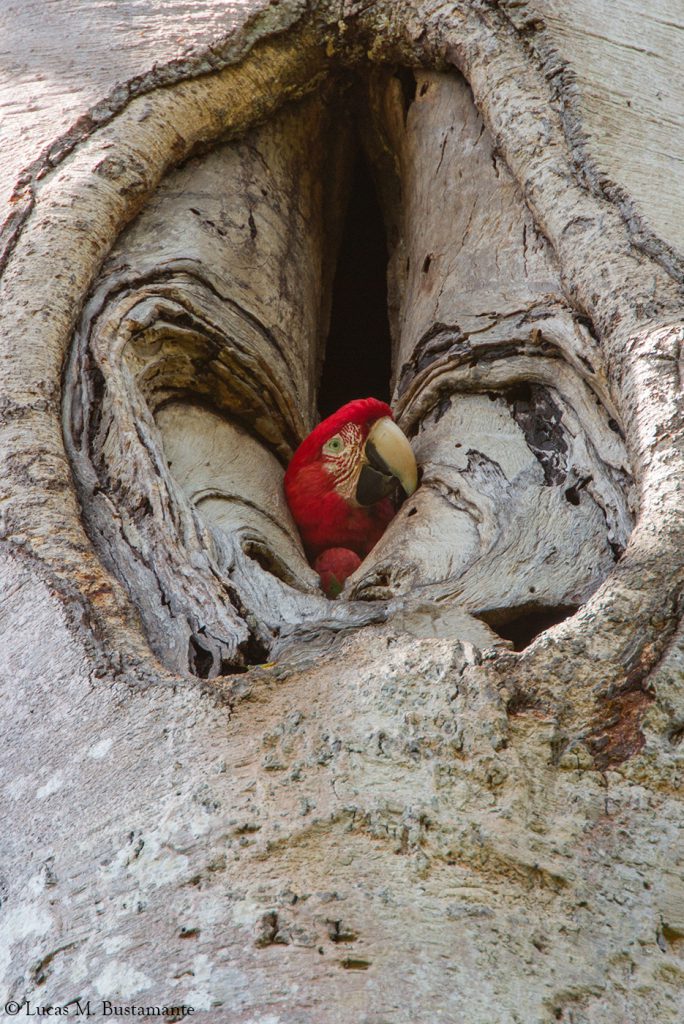
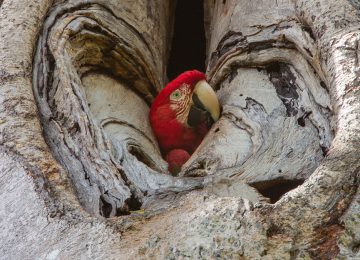
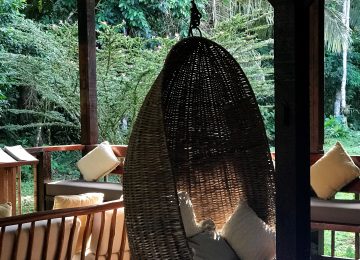
The experience seems to be out of this world: I walk through the camp on stilt paths, the rainforest below me, lush green vegetation with monkeys and birds to my right and left. And pairs of parrots sit on the trunks, caressing each other and not caring about me. Why should they? They are at home here, feel comfortable and safe, humans are just visiting. And research is still being carried out here: you can see the scientists here for hours, days on end at their observation posts, unexpectedly finding an observation point in the middle of the thicket, as there are macaw breeding caves or even breeding boxes high up in the trees, from which a red or blue or yellow-blue head peeks out at a height of around 15-20 metres and looks down at me and a few other human beings... An unforgettable sight: I love these birds!"